
Pigmentation · 6 min read ·
Pigmentation and melasma: why it happens and how to treat it
Sun spots, melasma and post-acne marks look similar but behave very differently. Treating the wrong way can make them worse.
Quick answer: Sun spots respond well to laser, but melasma is hormonal and heat-sensitive, so it is usually treated with peels and prescription skincare first. Daily SPF is essential for every type of pigmentation.
Three common types
Sun spots are flat brown marks caused by years of UV exposure. Melasma appears as symmetrical patches on the cheeks, forehead or upper lip and is linked to hormones. Post-inflammatory marks appear after spots, eczema or injury.
Each has a different cause, so each needs a different plan.
Treating sun spots
Targeted laser breaks up the excess pigment so it darkens, then flakes away over 7 to 10 days. Clear + Brilliant can treat more widespread sun damage and dullness.
Treating melasma
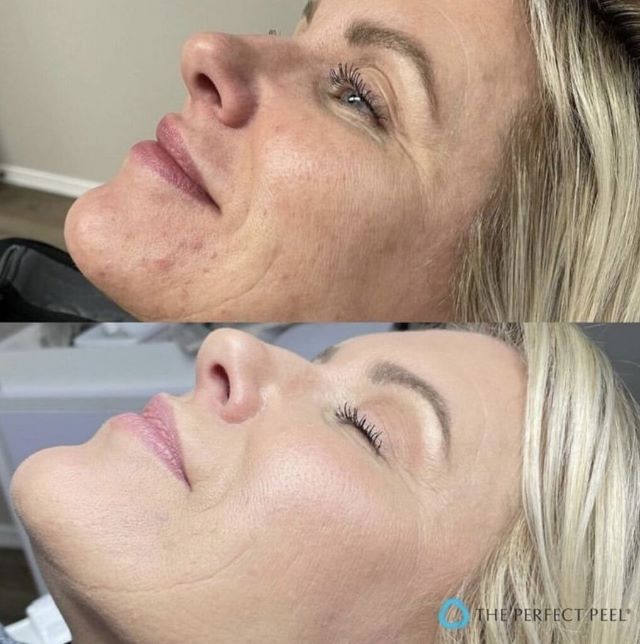
Heat can trigger melasma, so we usually start with pigment-controlling skincare and peels such as The Perfect Peel or the ZO Brightening Treatment. Progress is steady rather than instant.
Prescription options are available after a consultation with our prescriber.
Protection matters most
UV and visible light both darken pigment. Use a broad-spectrum SPF 30 or higher every day, all year round, even in Northern Ireland's cloudy weather.
Common questions
Can pigmentation come back?
Yes, especially melasma. Long-term SPF and a maintenance routine keep it under control.
More skin tips every week on our socials:
Written by the Skin Deep Aesthetics clinical team, 6 Carlisle Road, Derry. This article is general information, not medical advice. Book a consultation for advice about your own skin.